
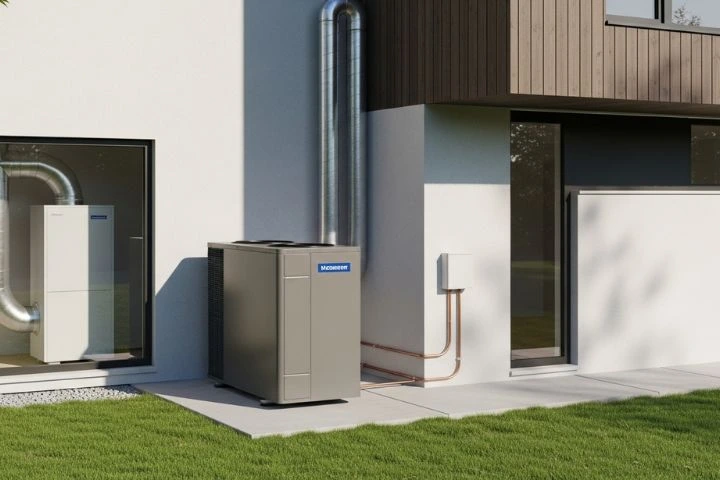
Your heat pump is the heart of your home’s heating and cooling system. Like any major appliance, it won’t last forever. Homeowners often face the tough question: should I repair my heat pump or replace it entirely? Making the wrong choice can lead to high costs, inefficient heating or cooling, and frequent breakdowns. This guide will help you understand the key factors so you can make a smart HVAC decision.
How Heat Pumps Work and Why Maintenance Matters
Heat pumps work differently than traditional furnaces or air conditioners. They transfer heat from one place to another, providing heating in winter and cooling in summer. Because they run year-round, regular maintenance is essential. Without proper care, efficiency drops, energy bills rise, and parts wear out faster. A well-maintained heat pump can last 10–15 years, but neglect can shorten its lifespan significantly.
Regular inspections, filter replacements, and professional tune-ups help detect small problems before they become major repairs. Understanding how your system operates and keeping up with maintenance is the first step in deciding whether to repair or replace your heat pump.
Signs Your Heat Pump Needs Attention
Not every glitch requires a full replacement. Watch for these common warning signs that your heat pump may need professional attention:
- Rising Energy Bills: If your heating or cooling costs increase unexpectedly, your heat pump may be losing efficiency.
- Uneven Heating or Cooling: Rooms are not reaching desired temperatures, indicating the system is struggling.
- Strange Noises or Leaks: Grinding, clanging, or hissing sounds can signal failing components or refrigerant leaks.
- Frequent Breakdowns: Repeated service calls may indicate that the unit is near the end of its life.
These issues don’t always mean replacement is necessary, but they are red flags for a professional evaluation.
Factors to Consider: Repair vs Replacement
Deciding between repair and replacement requires careful consideration of several factors:
1. Age of the Heat Pump
Heat pumps generally last between 10 and 15 years. If your system is older than 10 years and showing signs of wear, replacement might be more cost-effective than repairing multiple components.
2. Cost of Repair vs. Replacement
A common rule of thumb: if the repair costs more than 50% of a new heat pump, replacement is usually the better option. Modern units are more energy-efficient, which can reduce long-term utility bills and sometimes qualify for rebates.
3. Frequency of Repairs
If your system needs frequent fixes, it may be time to invest in a new unit. Continuous repairs can become costly and inconvenient, especially during extreme weather.
4. Energy Efficiency and Incentives
Older heat pumps are less efficient than newer models. Replacing your unit could lower energy bills and make you eligible for energy rebates or tax incentives. Modern heat pumps also provide better humidity control and more consistent temperatures throughout your home.
When Repair Makes Sense
Repairing your heat pump can be the right choice in several scenarios:
- Minor Repairs: Small fixes such as replacing capacitors, thermostats, or refrigerant recharges.
- Newer Units: If your heat pump is less than 10 years old and generally in good condition, repairs can extend its life without breaking the bank.
- Cost-Effective Solutions: Some repairs are significantly cheaper than a full replacement and can restore efficiency quickly.
Choosing repair over replacement can save money in the short term, especially when the unit is still relatively new or well-maintained.
When Replacement is the Best Option
Sometimes, replacing your heat pump is the smarter choice. Consider replacement if:
- Your Heat Pump is Old: Systems older than 10–15 years are prone to frequent failures and lower efficiency.
- Major Component Failure: Issues like a failing compressor or extensive duct damage are often too costly to repair.
- High Repair Costs: If multiple parts need replacement, a new unit is usually more economical in the long run.
- Energy Efficiency Needs: Modern units use advanced technology to heat and cool more efficiently, reducing energy costs and improving comfort.
Investing in a new heat pump can also give you peace of mind with warranties, improved home comfort, and long-term energy savings.
Tips for Making the Decision
When deciding whether to repair or replace your heat pump, follow these expert tips:
- Get Multiple Assessments: Consult at least two licensed HVAC professionals to evaluate your system’s condition and cost of repair.
- Compare Costs: Evaluate repair quotes against the cost of a new unit, factoring in efficiency and expected lifespan.
- Consider Timing: Installing a new heat pump during off-season periods can save on labor costs and ensure you have reliable heating or cooling when you need it.
- Check Warranties: Review any remaining warranties for your current system to determine if repairs are covered.
- Factor in Energy Incentives: Look for rebates, tax incentives, or energy-efficient certifications for new units to offset replacement costs.
These strategies ensure you make a cost-effective, informed choice that maximizes your home comfort.
Conclusion
Knowing when to repair vs replace your heat pump is crucial for maintaining comfort and avoiding unnecessary costs. Evaluate your system’s age, repair history, efficiency, and long-term costs to make the right decision. Minor repairs can extend the life of newer units, but frequent or costly breakdowns often signal that replacement is the better option.
Act proactively: schedule a professional evaluation to identify issues early and choose the solution that saves money, improves efficiency, and keeps your home comfortable year-round.