
Installing a heat pump is a major investment that directly affects your home’s comfort, energy efficiency, and long-term operating costs. Even the most advanced heat pump can fail to deliver expected performance if installation is not handled correctly. Below are the most common mistakes homeowners and contractors make during heat pump installation, explained clearly so you understand why they matter and how they impact your system.
Choosing the Wrong Heat Pump Size
One of the most damaging mistakes during heat pump installation is selecting a system that is either too large or too small for the home. An oversized heat pump will turn on and off frequently, which leads to wasted energy, inconsistent temperatures, and faster wear on components. An undersized unit, however, will struggle to maintain comfort during peak heating or cooling seasons. Proper sizing should always be based on a detailed load calculation that evaluates insulation, square footage, climate, window placement, and household usage patterns rather than rough estimates.
Incorrect Placement of the Outdoor Unit
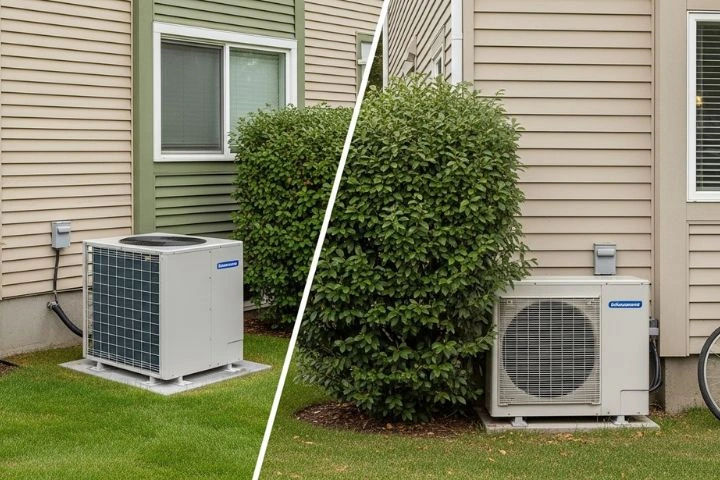
Outdoor unit placement plays a critical role in how efficiently a heat pump operates. Installing the unit too close to walls, fences, or enclosed spaces restricts airflow, which reduces performance and increases energy consumption. Poor placement can also lead to excessive noise, vibration, and exposure to debris or water damage. A correctly positioned outdoor unit should have adequate clearance on all sides, stable mounting, and protection from environmental hazards while remaining accessible for servicing.
Electrical Installation Errors
Heat pumps require precise electrical configurations to operate safely and efficiently. Mistakes such as undersized wiring, incorrect breakers, or improper grounding can cause frequent power interruptions, safety risks, and even system failure. These electrical issues can also void the manufacturer’s warranty. Professional installation ensures that all electrical components meet code requirements and manufacturer specifications, protecting both the system and the homeowner.
Improper Refrigerant Charging
Refrigerant levels are essential to a heat pump’s ability to transfer heat effectively. Too much or too little refrigerant can reduce efficiency, increase energy bills, and put unnecessary strain on the compressor. Over time, incorrect refrigerant charging can lead to major mechanical failures. Accurate charging must be done according to manufacturer guidelines using professional diagnostic tools rather than assumptions or shortcuts.
Ignoring Existing Ductwork Problems
For ducted heat pump systems, existing ductwork is often overlooked during installation. Leaky or undersized ducts can waste a significant amount of conditioned air before it reaches living spaces, resulting in uneven temperatures and higher utility costs. Connecting a new heat pump to faulty ductwork limits the system’s efficiency from the start. Inspecting, sealing, and upgrading ducts when necessary is essential for optimal performance.
Poor Indoor Unit Placement
Indoor unit placement directly affects airflow distribution and comfort levels throughout the home. Installing indoor units in locations where airflow is blocked or uneven can create hot and cold spots, forcing the heat pump to work harder than necessary. Proper placement ensures balanced air circulation, consistent temperatures, and improved efficiency across all rooms.
Skipping System Commissioning and Testing
Many installation problems begin because the system is never properly tested after installation. Skipping commissioning means airflow, refrigerant levels, thermostat calibration, and operating modes may not be optimized. These hidden issues can cause efficiency losses and performance complaints from day one. Thorough testing ensures the heat pump is operating as designed before it is handed over to the homeowner.
Failing to Consider Local Climate Conditions
Not all heat pumps are suitable for every climate. Installing a system without considering regional temperature extremes can result in poor cold-weather performance or excessive reliance on backup heating. This leads to higher energy bills and reduced comfort. Selecting a heat pump designed for the local climate ensures consistent performance throughout the year.
Hiring Unqualified or Inexperienced Installers
Heat pump installation requires specialized training and certification. Hiring unlicensed or inexperienced installers can lead to code violations, safety risks, inspection failures, and voided warranties. DIY installation is also strongly discouraged due to the technical complexity involved. Working with qualified professionals ensures the system is installed correctly and meets all regulatory and manufacturer requirements.
Ignoring Manufacturer Installation Guidelines
Every heat pump model has specific installation requirements that must be followed precisely. Ignoring these guidelines can reduce efficiency, cause operational issues, and void warranty coverage. Manufacturer instructions are designed to ensure the system performs reliably under real-world conditions, making adherence essential for long-term success.
Final Thoughts on Heat Pump Installation Mistakes
Avoiding these heat pump installation mistakes can significantly improve system performance, comfort, and longevity. Proper sizing, correct placement, professional electrical and refrigerant work, and thorough testing all contribute to a heat pump that operates efficiently for many years. Investing in correct installation from the beginning helps protect your investment and ensures you get the full benefits of your heat pump system.