
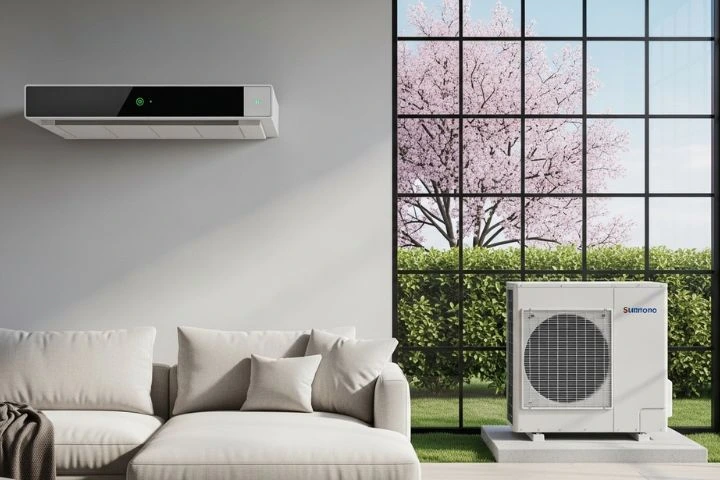
When it comes to maintaining a comfortable home throughout the year, many homeowners rely on traditional heating and cooling systems. However, modern technology has introduced a more efficient and versatile solution: heat pumps. Heat pump installation can significantly enhance your home’s comfort while reducing energy consumption and offering eco-friendly benefits. Understanding how heat pumps work and the advantages they bring will help you make an informed decision about upgrading your home system.
What Is a Heat Pump?
A heat pump is an advanced HVAC system designed to provide both heating and cooling from a single unit. Unlike traditional furnaces or air conditioners, which either produce heat or cool air, heat pumps transfer heat between your home and the outside environment. During the colder months, the system extracts heat from the outside air or ground and brings it indoors. In warmer months, it works in reverse, removing heat from inside your home and releasing it outside.
This dual functionality makes heat pumps a highly efficient solution for year-round comfort, eliminating the need for separate heating and cooling systems.
How Heat Pumps Enhance Home Comfort
- Consistent Indoor Temperature
Heat pumps maintain a steady indoor temperature by distributing warm or cool air evenly throughout your home. Unlike traditional systems that cycle on and off, heat pumps operate continuously at a lower power level, preventing sudden temperature swings and creating a more comfortable environment. - Efficient Humidity Control
Many heat pumps include built-in dehumidification, which helps regulate indoor humidity. High humidity can make a home feel warmer in summer and colder in winter, so maintaining balanced humidity levels significantly improves comfort. - Quiet Operation
Heat pumps operate quietly compared to conventional HVAC systems. Their smooth, continuous airflow ensures minimal noise disruption, which enhances the overall comfort of your living space. - Customizable Zoning Options
With advanced heat pump models, you can implement zoning systems that allow different areas of your home to be heated or cooled independently. This feature ensures personalized comfort for each room, ideal for families with varying temperature preferences.
Energy Efficiency and Cost Savings
One of the most compelling benefits of heat pump installation is its energy efficiency. Heat pumps use electricity to transfer heat rather than generating it through combustion, which typically consumes more energy. Depending on your home’s size, insulation, and climate, a heat pump can reduce energy bills by 30-50% compared to traditional heating systems.
Additionally, many modern heat pumps are compatible with renewable energy sources such as solar panels, further reducing utility costs and your carbon footprint.
Environmental Benefits of Heat Pumps
Heat pumps are an eco-friendly choice for homeowners seeking to reduce their environmental impact. Since they rely on heat transfer rather than fuel combustion, they produce fewer greenhouse gas emissions. Moreover, by using a single system for both heating and cooling, heat pumps reduce the need for multiple appliances, conserving resources and minimizing environmental waste.
Comparing Heat Pumps to Traditional HVAC Systems
Understanding how heat pumps compare to conventional furnaces and air conditioners can clarify why installation is a smart investment for home comfort.
- Furnaces: Generate heat through fuel combustion (natural gas, oil, or propane). While effective in extreme cold, furnaces have higher operating costs and limited cooling capabilities.
- Air Conditioners: Only provide cooling. During winter, a separate heating system is required, which increases energy consumption and maintenance.
- Heat Pumps: Provide both heating and cooling in one unit, operate efficiently, and are more environmentally friendly than traditional systems.
Installation Considerations
Proper heat pump installation is crucial for maximizing comfort and efficiency. Here are key factors to consider:
- Sizing Your Heat Pump Correctly
The size of your heat pump must match your home’s heating and cooling load. An oversized or undersized unit can lead to inefficient operation, higher energy bills, and inconsistent comfort. A professional HVAC technician can perform a load calculation to determine the appropriate size. - Choosing the Right Type
Heat pumps come in different types, including air-source, ground-source (geothermal), and ductless mini-splits. Each has unique benefits depending on your home layout, local climate, and energy goals. Air-source units are ideal for moderate climates, while geothermal heat pumps offer unmatched efficiency and stability for regions with extreme temperatures. - Professional Installation
Hiring an experienced HVAC contractor ensures your heat pump is installed correctly, minimizing potential issues such as refrigerant leaks, inefficient airflow, or electrical complications. A professional installation also preserves the manufacturer’s warranty. - Maintenance Requirements
Routine maintenance is essential for keeping your heat pump operating at peak performance. Regular tasks include cleaning filters, inspecting coils, checking refrigerant levels, and scheduling professional servicing. Proper maintenance extends the lifespan of your system and ensures reliable year-round comfort.
Real-Life Benefits: Year-Round Comfort in Action
Consider a homeowner living in a region with hot summers and cold winters. Before installing a heat pump, the home relied on a gas furnace and separate air conditioning unit. The homeowner experienced fluctuating indoor temperatures and high energy bills. After a professional heat pump installation, the home maintained consistent comfort throughout the year. Energy bills decreased, indoor air quality improved, and the family enjoyed quieter operation without the inconvenience of separate systems.
Financial Incentives for Heat Pump Installation
Many homeowners can take advantage of local or federal incentives for installing energy-efficient heat pumps. Tax credits, rebates, and financing options are often available for systems that meet specific efficiency criteria. By combining these incentives with long-term energy savings, a heat pump installation can be a cost-effective investment for your home’s comfort and sustainability.
Final Thoughts: Why Heat Pump Installation Is a Smart Choice
Heat pump installation is more than just an upgrade—it’s a long-term investment in your home’s comfort, energy efficiency, and environmental impact. By providing consistent heating and cooling, controlling humidity, and reducing energy consumption, heat pumps ensure year-round comfort for your family.
Whether you’re building a new home or replacing an outdated system, consulting with a professional HVAC contractor can help you choose the right heat pump and enjoy all the benefits it offers. From cost savings to environmental sustainability, heat pumps are a smart solution for homeowners seeking comfort, efficiency, and peace of mind.