
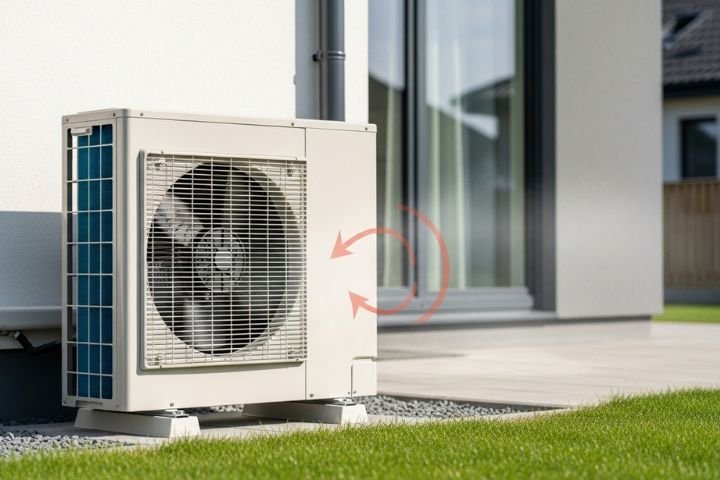
A heat pump is designed to run quietly, so when you start hearing unfamiliar sounds, it is natural to feel concerned. Some noises are completely normal during daily operation, while others are warning signs that something inside the system is not working correctly. Understanding what different heat pump noises mean can help you decide whether the issue is minor or if it is time to call for professional repair.
This guide explains the most common heat pump noises, what causes them, how to troubleshoot safely, and when the noise should not be ignored.
Is heat pump noise normal?
Yes, some noise is normal. A heat pump typically produces a low humming sound when running and may make brief clicking sounds when it turns on or off. You might also hear airflow noises as warm or cool air moves through the ductwork.
What is not normal is loud, sudden, or continuous noise. Buzzing, grinding, rattling, or high-pitched sounds usually indicate a mechanical, electrical, or airflow issue that needs attention.
Why is my heat pump making noise?
A heat pump can start making noise for several reasons. Over time, parts wear down, screws loosen, debris collects, or electrical components begin to fail. Weather exposure also affects outdoor units, especially during extreme heat, cold, or storms.
The type of sound you hear often points directly to the cause of the problem.
Common heat pump noises explained
Heat pump buzzing noise
A buzzing sound often points to an electrical issue. This may include a failing capacitor, loose wiring, or a contactor that is struggling to engage properly. Buzzing can also occur if the compressor is under stress.
If the buzzing is loud or constant, it should not be ignored, especially if the system struggles to start.
Heat pump humming sound
A soft humming sound is usually normal during operation. However, if the hum becomes noticeably louder than usual, it may indicate motor strain, electrical imbalance, or compressor problems.
Loud humming that continues for long periods often means the system is working harder than it should.
Heat pump rattling noise
Rattling noises are commonly caused by loose screws, panels, or mounting hardware. Outdoor units can also rattle when leaves, twigs, or small debris get inside the cabinet.
While rattling may seem harmless, loose parts can lead to more serious damage if left unchecked.
Heat pump clicking noise
Clicking during startup or shutdown is normal. Repeated clicking, especially when the system fails to turn on, often signals a failing relay, contactor, or thermostat issue.
Persistent clicking should be inspected to prevent electrical damage.
Heat pump grinding noise
Grinding is one of the most serious sounds a heat pump can make. It usually indicates worn motor bearings or metal parts rubbing together. This type of noise often comes from the fan motor or compressor.
Grinding noises should be addressed immediately to avoid major system failure.
Heat pump compressor noise
The compressor is one of the most expensive components in a heat pump. Loud banging, screeching, or high-pitched sounds often indicate internal compressor issues, refrigerant problems, or mounting failures.
Any unusual compressor noise should be treated as urgent.
Heat pump noise troubleshooting you can try safely
Before calling for repair, there are a few basic checks you can perform safely:
- Turn off the system and inspect the outdoor unit for visible debris
- Tighten loose exterior panels if accessible
- Replace or clean clogged air filters
- Make sure vents inside the home are not blocked
- Listen carefully to identify where the noise is coming from
Never attempt to open sealed components or handle electrical parts. If the noise persists after these checks, professional service is recommended.
What causes a loud heat pump?
A heat pump may become loud due to aging components, poor maintenance, electrical wear, airflow restrictions, or improper installation. Seasonal changes can also increase noise if parts expand, contract, or shift slightly.
Ignoring loud noise often leads to higher repair costs later, especially if the compressor or electrical system is involved.
How to diagnose heat pump noise accurately
Pay attention to three key details:
- Type of sound such as buzzing, grinding, or rattling
- Timing such as startup, shutdown, or constant operation
- Location whether the sound comes from the indoor or outdoor unit
Sharing this information with a technician helps speed up diagnosis and reduces unnecessary repairs.
When to call for heat pump repair
You should contact a professional HVAC technician right away if you notice:
- Loud grinding or scraping sounds
- Strong electrical smells or burning odors
- Repeated clicking without startup
- Hissing sounds near refrigerant lines
- Sudden loss of heating or cooling along with noise
These symptoms often indicate serious mechanical or electrical problems that should not be handled without proper training.
How to prevent heat pump noise problems
Routine maintenance is the best way to keep your heat pump running quietly. Annual inspections help identify loose components, worn parts, and airflow issues before they turn into major problems.
Keeping filters clean, clearing debris around the outdoor unit, and scheduling regular service can significantly extend the life of your system and reduce unexpected noise.
Final thoughts
A heat pump making noise is not something to ignore. While some sounds are harmless, others are early warning signs of expensive repairs ahead. Knowing the difference helps protect your comfort, safety, and investment.
If the noise seems unusual, gets worse over time, or affects system performance, it is always best to have a professional inspect the unit before the problem grows.